Stories of remarkable homes, thoughtful design, gardens and the people who bring them to life.
Written and curated by Julie Teskey
Welcome to THIS IS HOME — a collection of stories about interesting houses, thoughtful design, gardens, neighbourhoods and, most importantly, the reflections by the people who bring them to life.
We begin at 73 Gilmour, a home that reminded me that sometimes the most remarkable thing about good design isn’t what you see. It’s how it allows you to live.
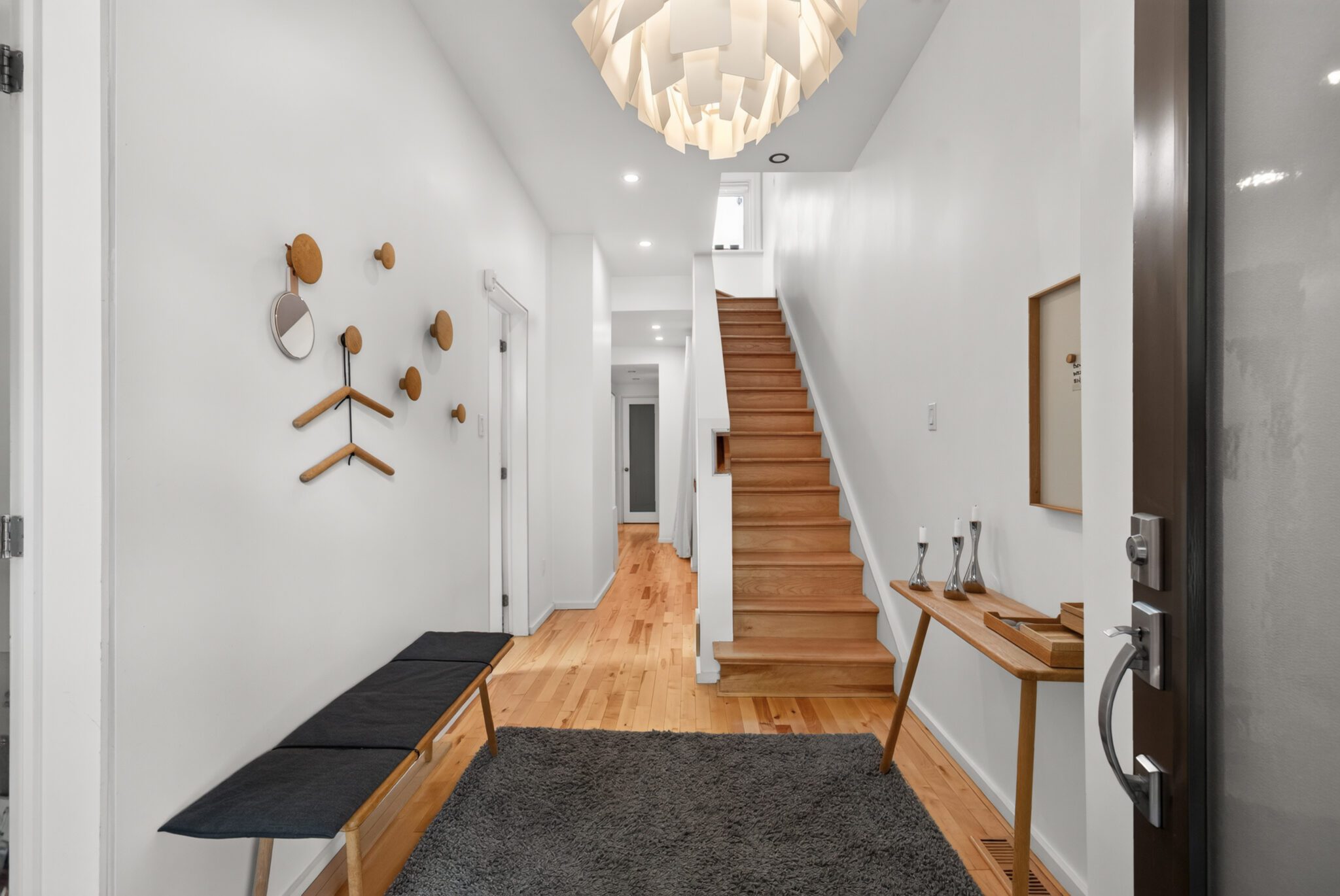
There are homes that announce themselves the moment you walk through the front door.
And then there are homes that reveal themselves quietly, asking only that you slow down long enough to notice.
73 Gilmour is one of those homes.
When asked to describe the personality of the house, the owners wrote:
I don’t think I could describe it any better.
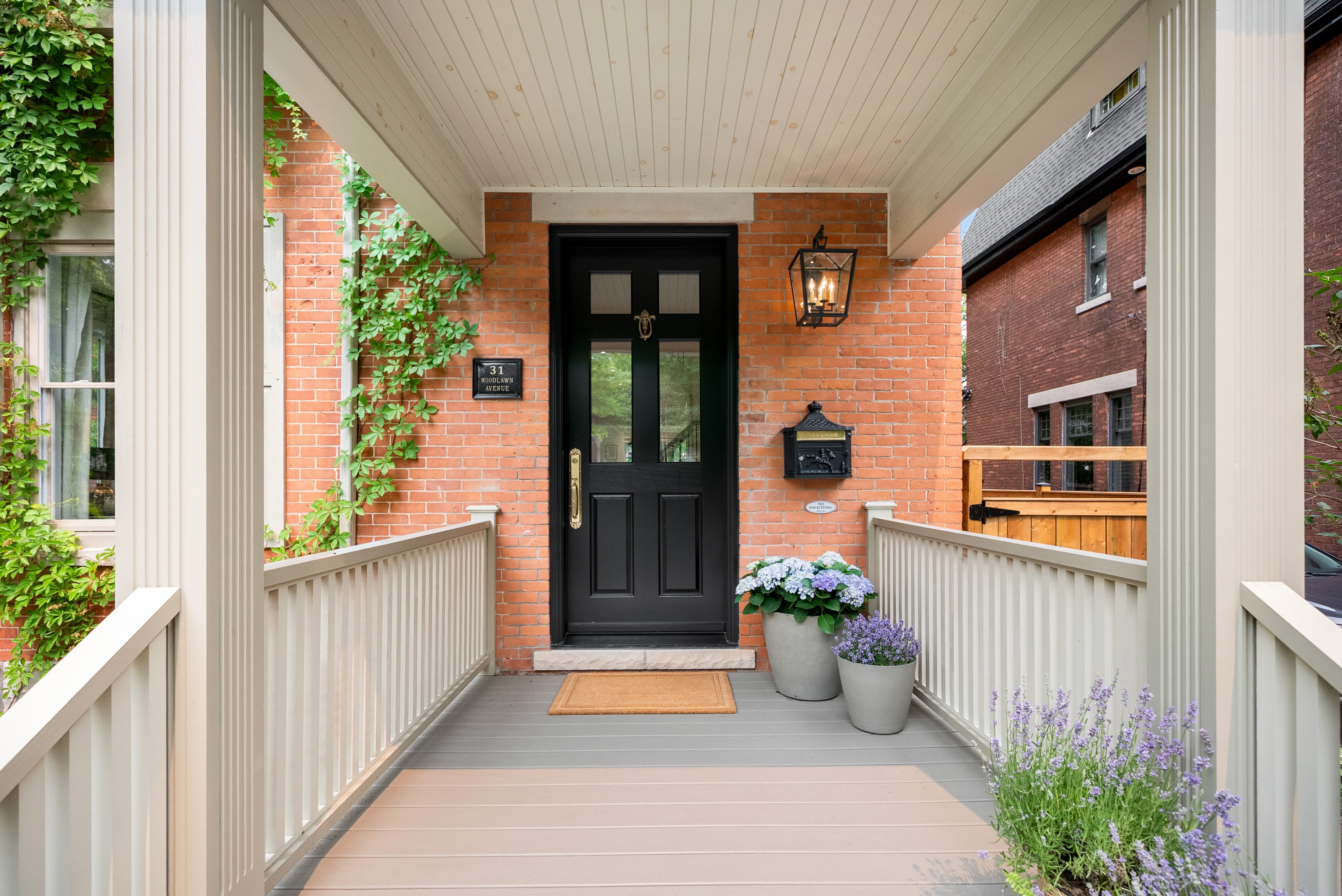
From the street, its timeless brick façade sits comfortably among the established homes that have shaped this neighbourhood for generations. It feels familiar, almost understated. Yet beyond the front door, the experience changes completely.
Light rises. Rooms unfold unexpectedly.The city quietly slips into the background.
And almost without realizing it, you relax.
The owners told me they fell in love with the house because of the light.
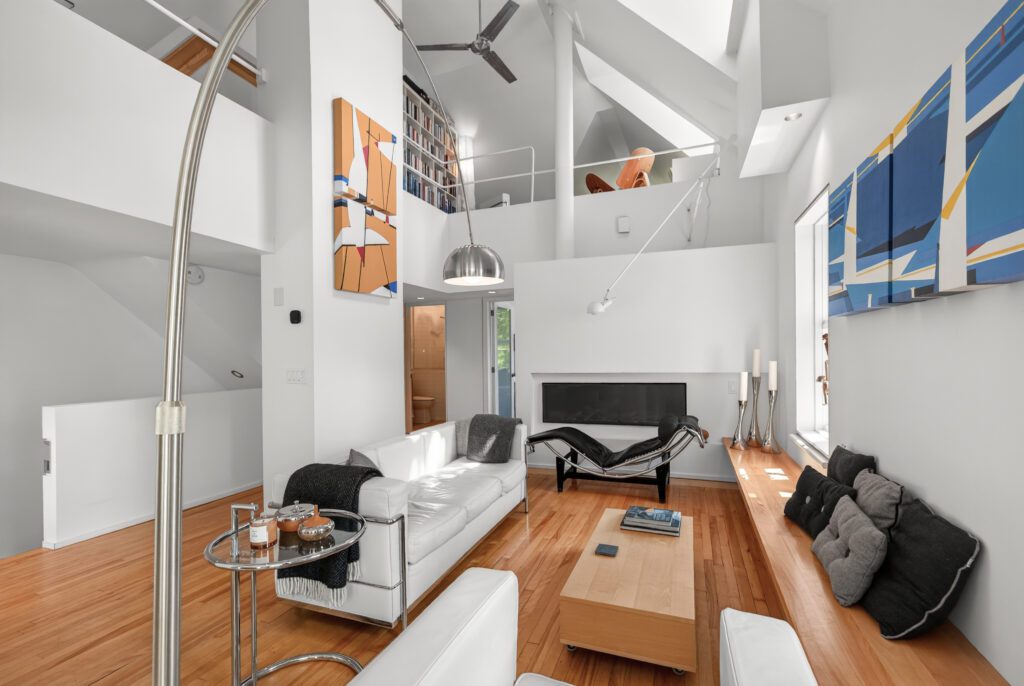
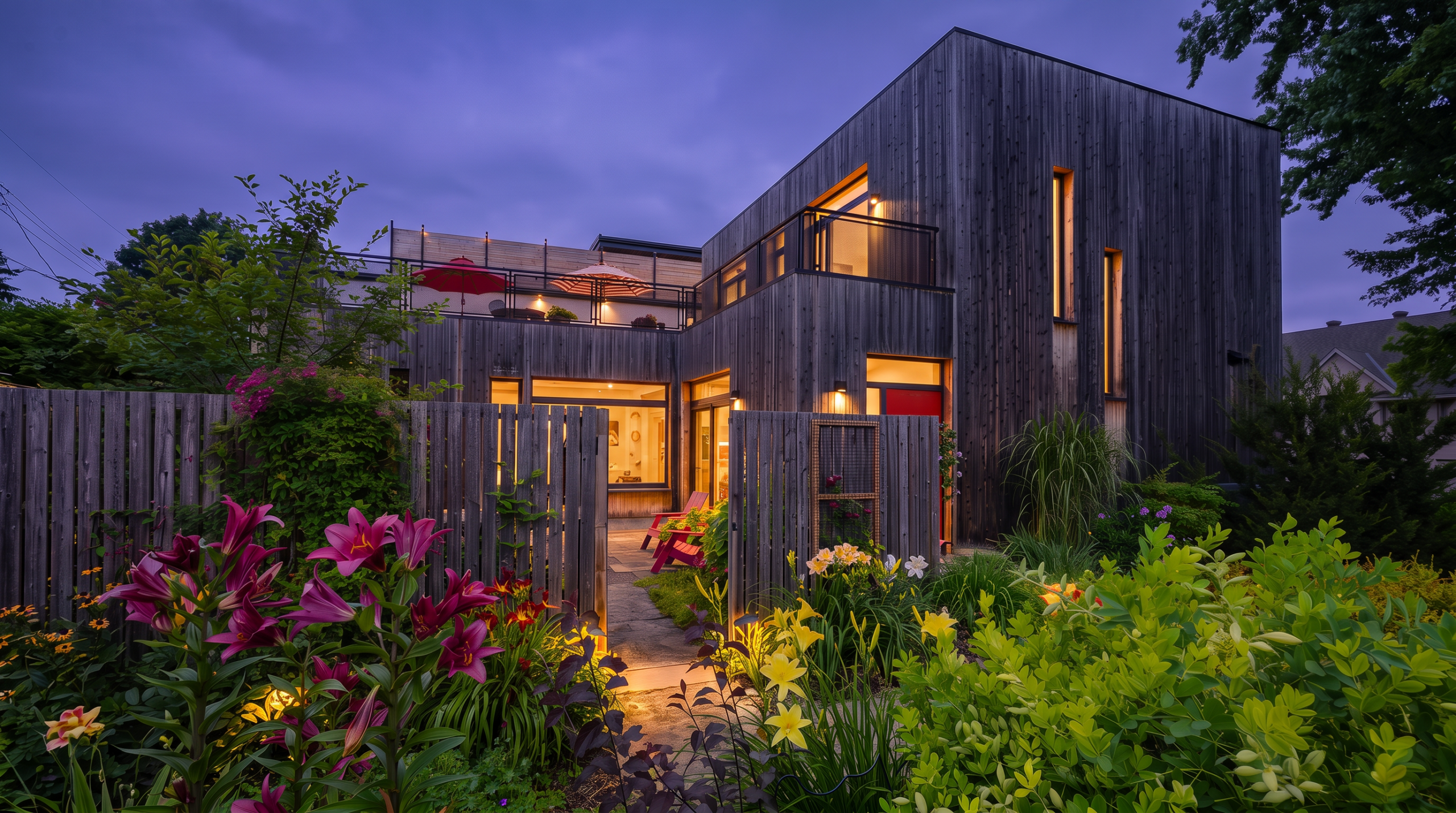
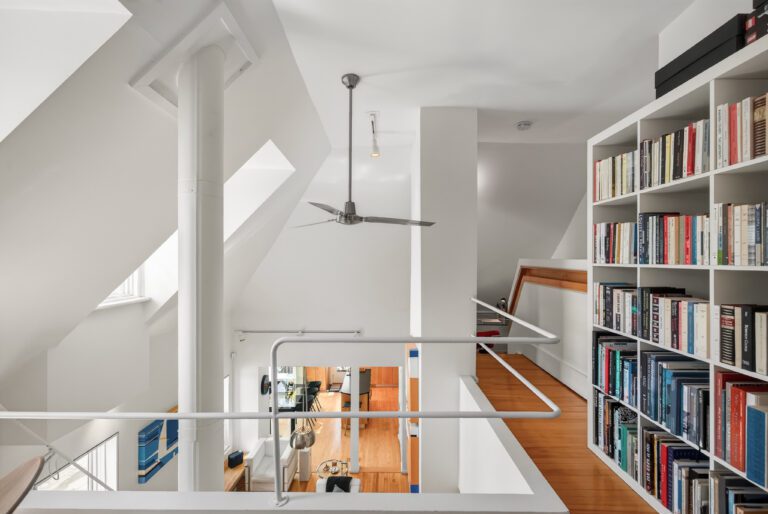
The principal living spaces rise above the street, where walls of glass, soaring ceilings and carefully considered sightlines allow daylight to become part of the architecture itself. Morning light drifts gently across the kitchen. Afternoon sun filters through the branches of the great maple tree that has quietly watched over the house for years.
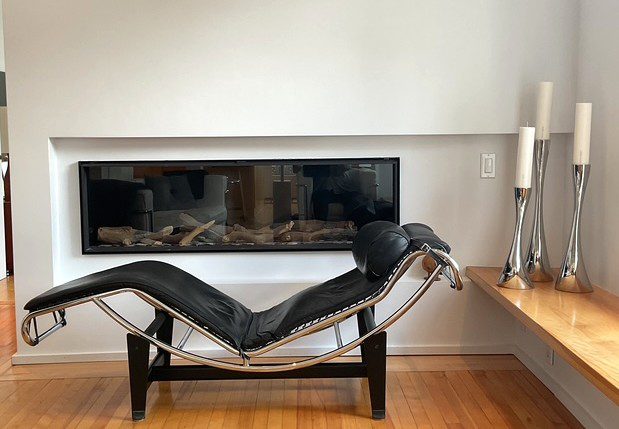
By evening, the fireplace becomes the natural gathering place as conversations continue long after dinner has ended.
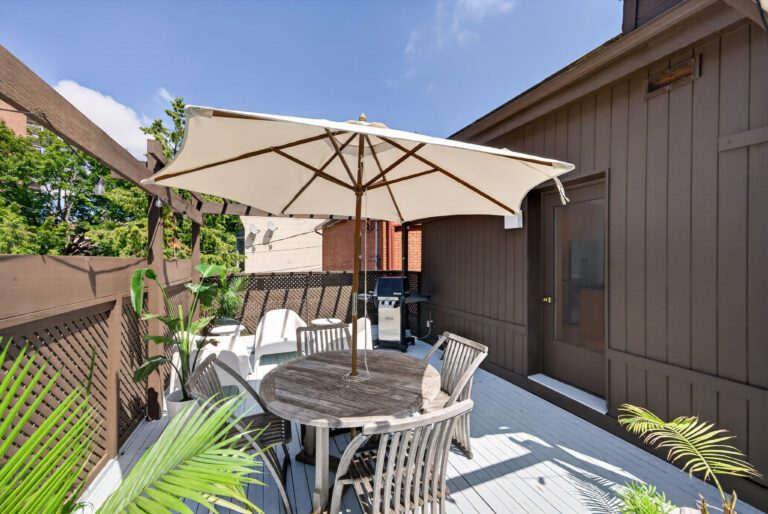
“We enjoy both our morning coffee and evening glasses of wine by the fire in winter, and on the terrace throughout the summer.”
There is a quiet confidence to the design.
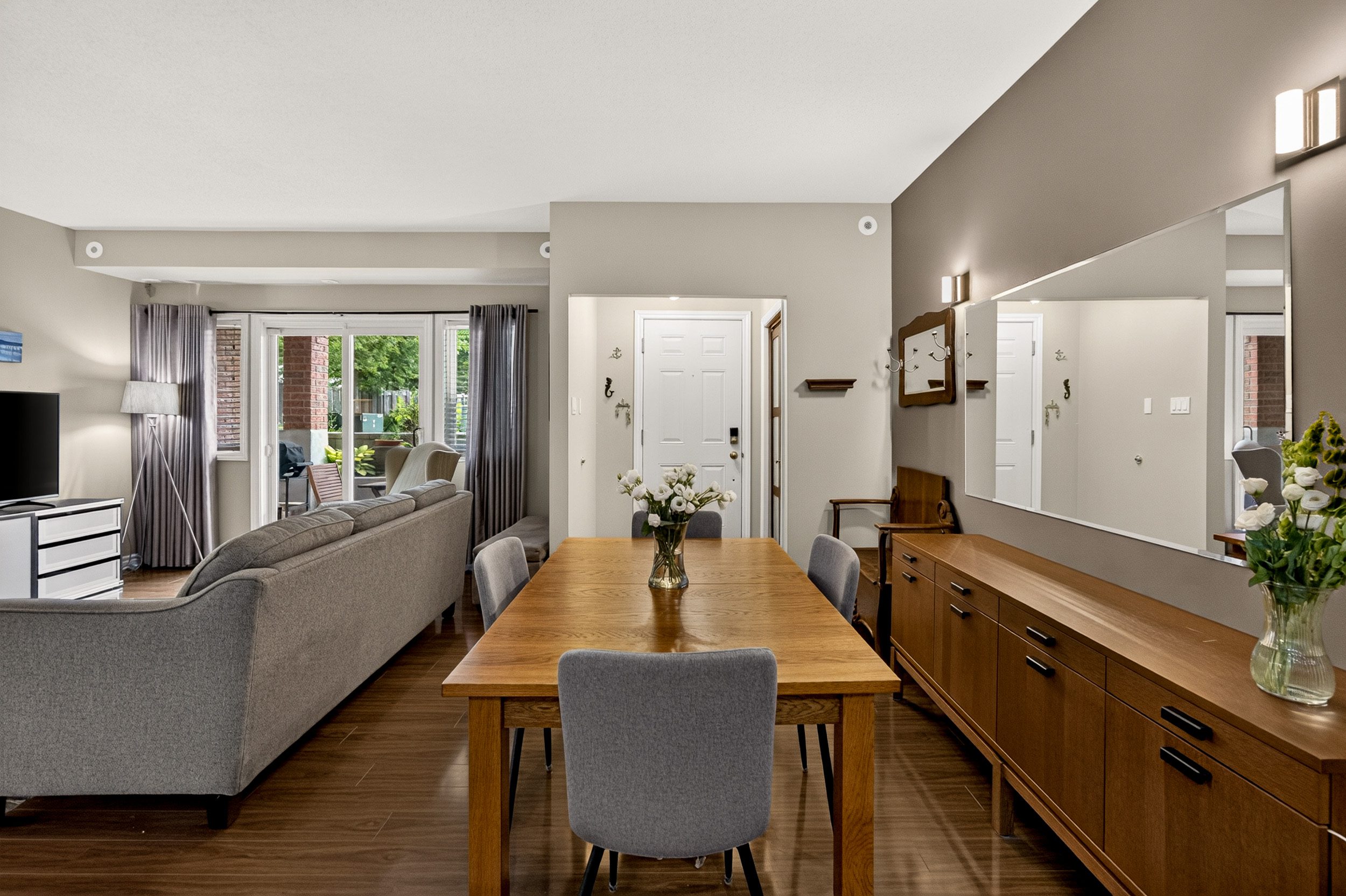
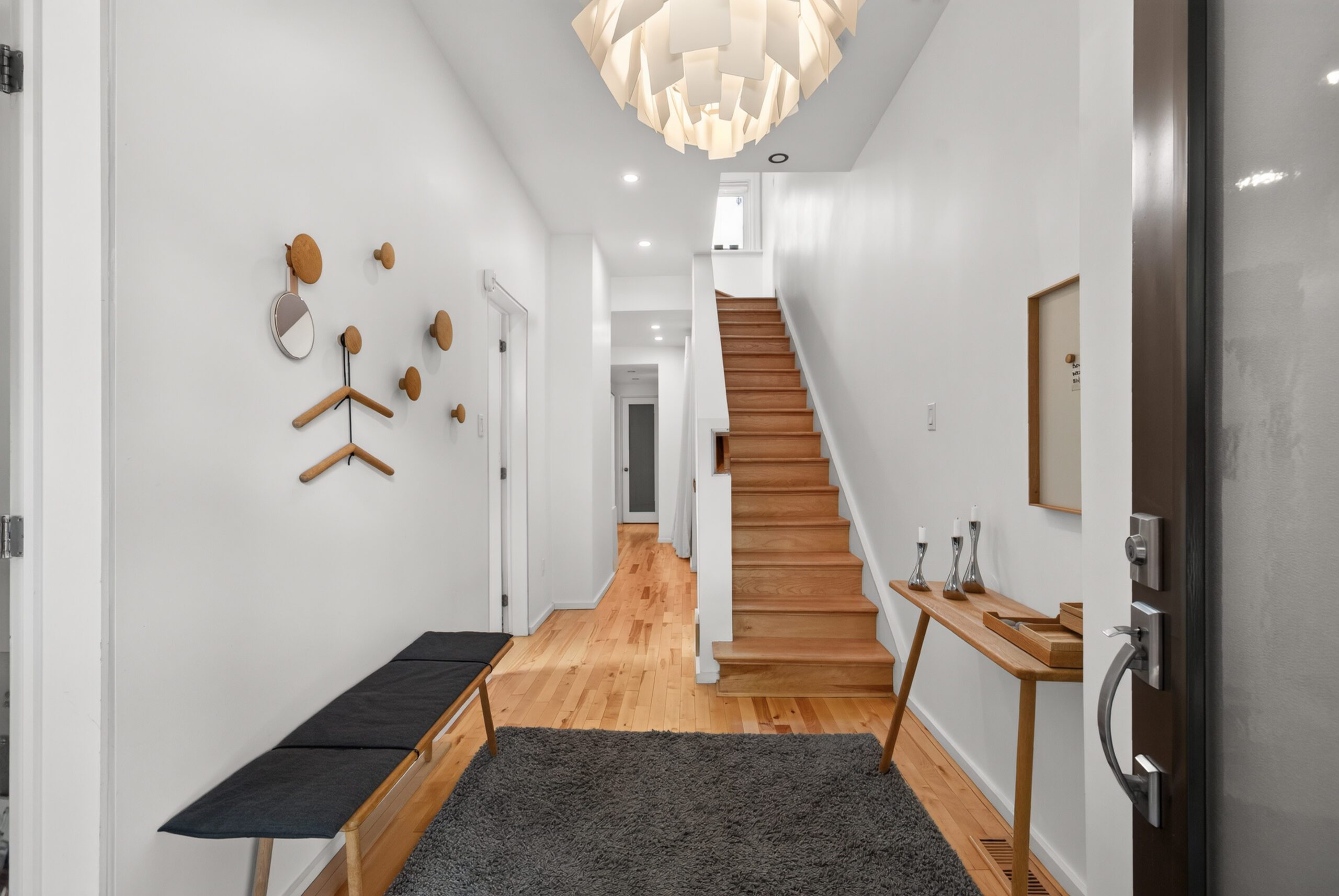
The architecture embraces clean contemporary lines without ever feeling austere. Warm oak floors anchor the interiors, soft white walls reflect the changing daylight, and every room feels purposeful rather than prescribed.
Nothing competes for attention. Nothing feels unnecessary.
Instead, the house seems to breathe, creating an atmosphere that is both uplifting and remarkably calm.
It is modern without losing warmth.
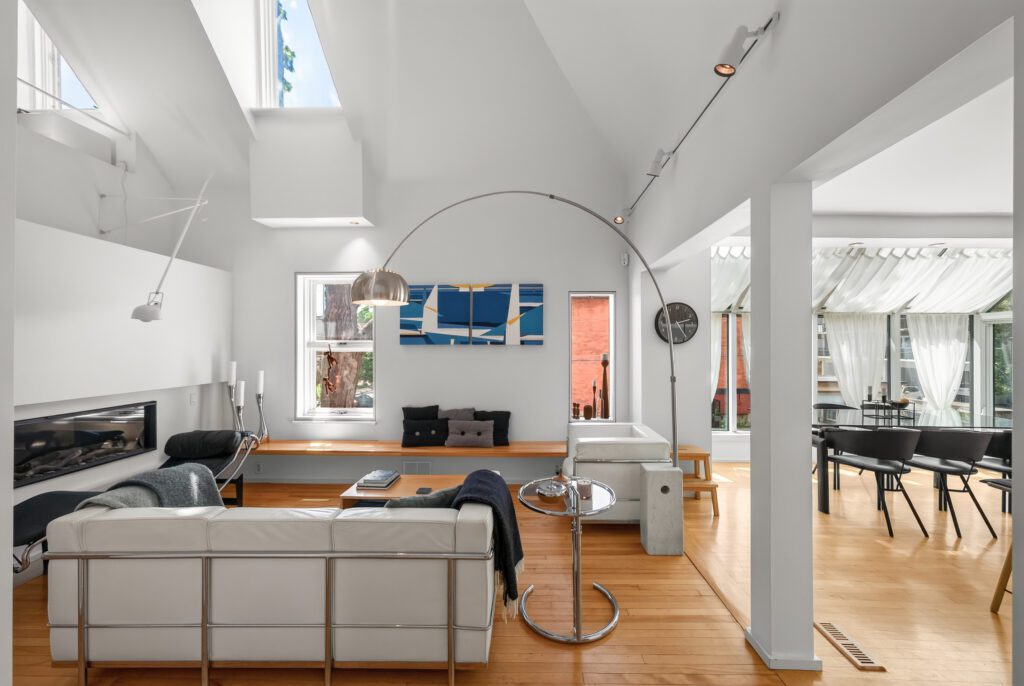
One of the most remarkable spaces is the solarium-inspired dining room, suspended above the streetscape behind walls of glass.
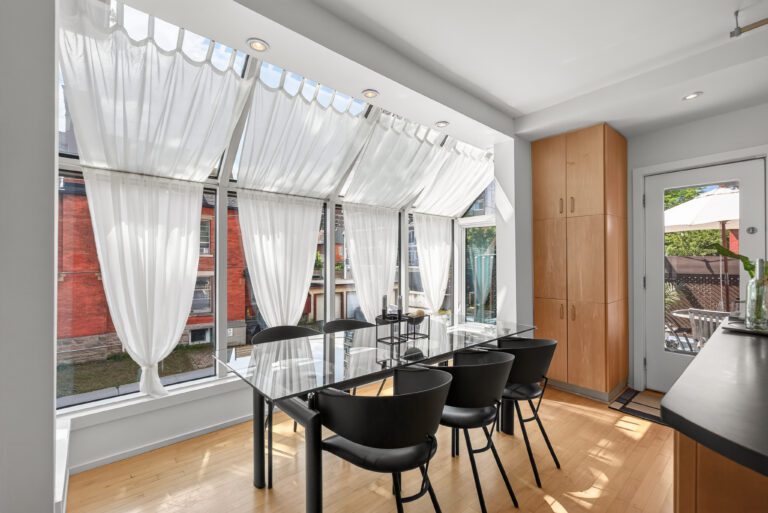
Long before this home came to market, I often found myself walking past in the evening. i would look up to see that room softly illuminated.
People gathered around the table. Conversation. Laughter.
The quiet rhythm of everyday life unfolding above the street.
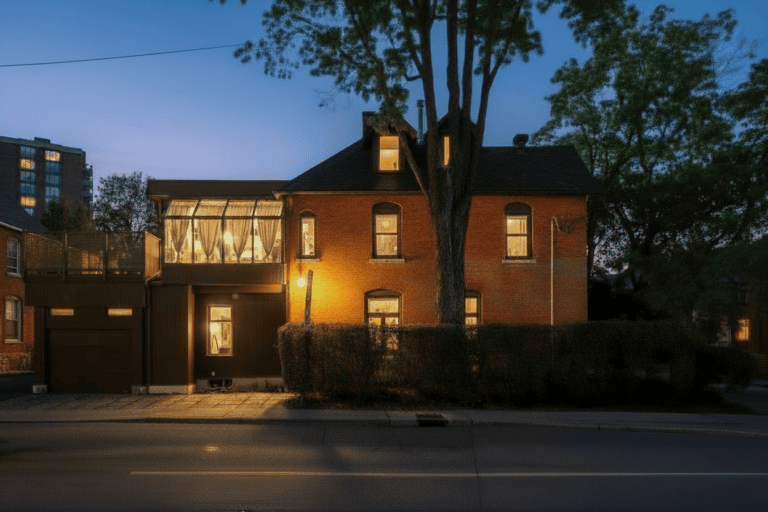
Months later, when I asked the owners what memories they would carry with them, their answer made me smile.
Sometimes we notice a home long before we understand why.
The more time I spent here, the more I realized this house is about the life the architecture makes possible.
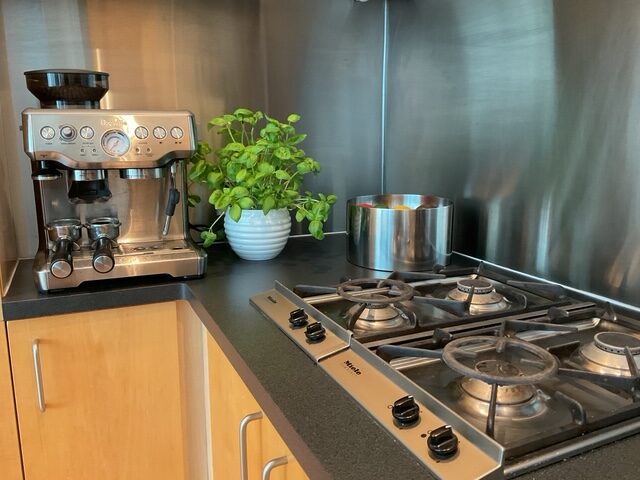
Morning coffee and the enjoyment of cooking
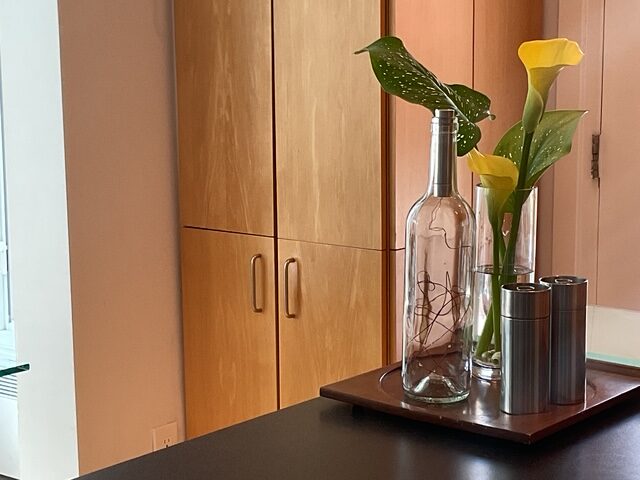
A favourite chair tucked beneath the dormer where the changing seasons become part of everyday life.
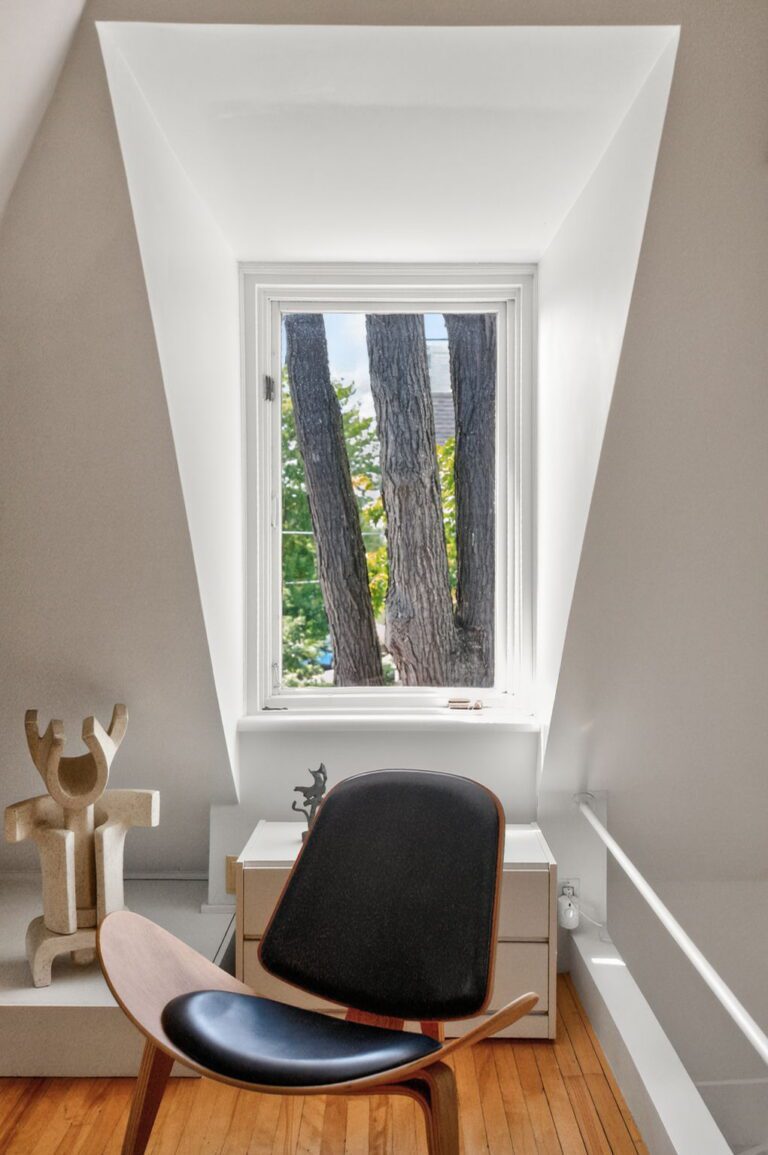
The gallery loft overlooking the living room below.
Summer evenings that naturally drift onto the terrace.
Winter afternoons spent beside the fire while snow falls quietly outside.
These are not grand moments. They are ordinary moments. And perhaps that is exactly why they matter.
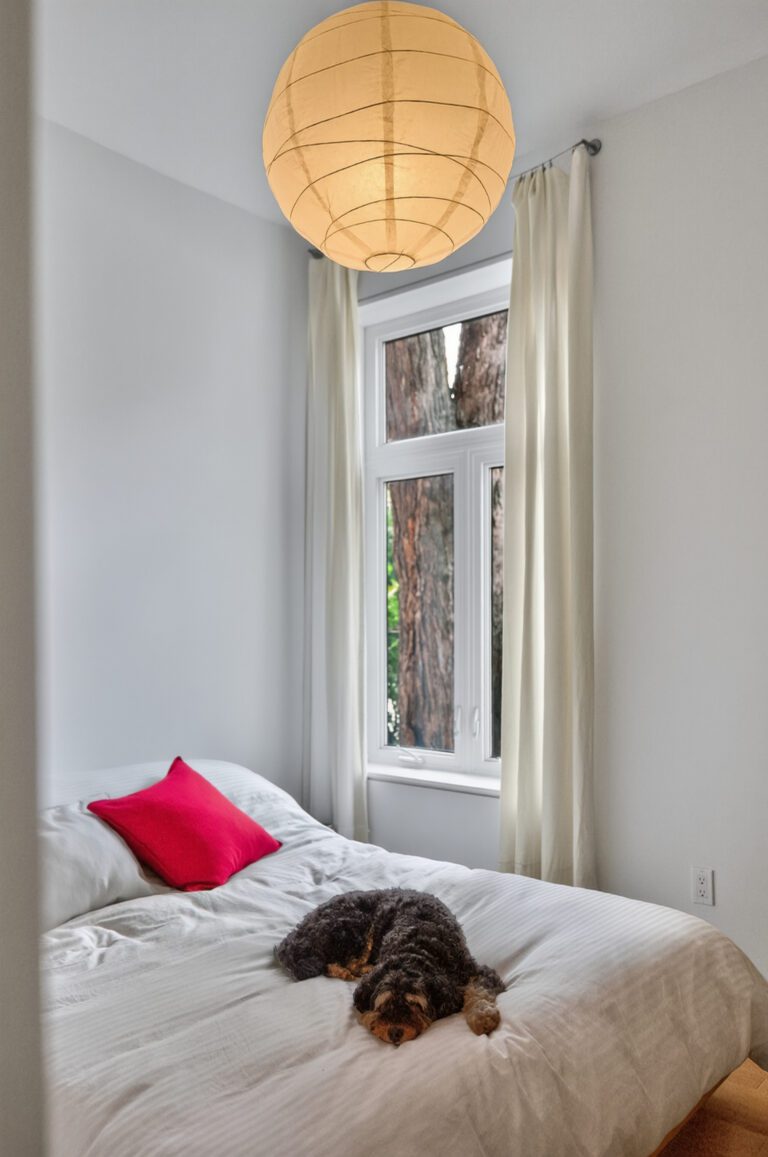
As I prepared to leave after my last visit, Dali was asleep in a patch of afternoon light, completely undisturbed by the world around him.
Animals have an uncanny instinct for finding the most peaceful place in a home.
Watching him there, I couldn’t help but think he understood something the rest of us are often too busy to notice.
Some homes ask us to admire them.
Others quietly remind us how we want to live.
For the next owner from the present owner